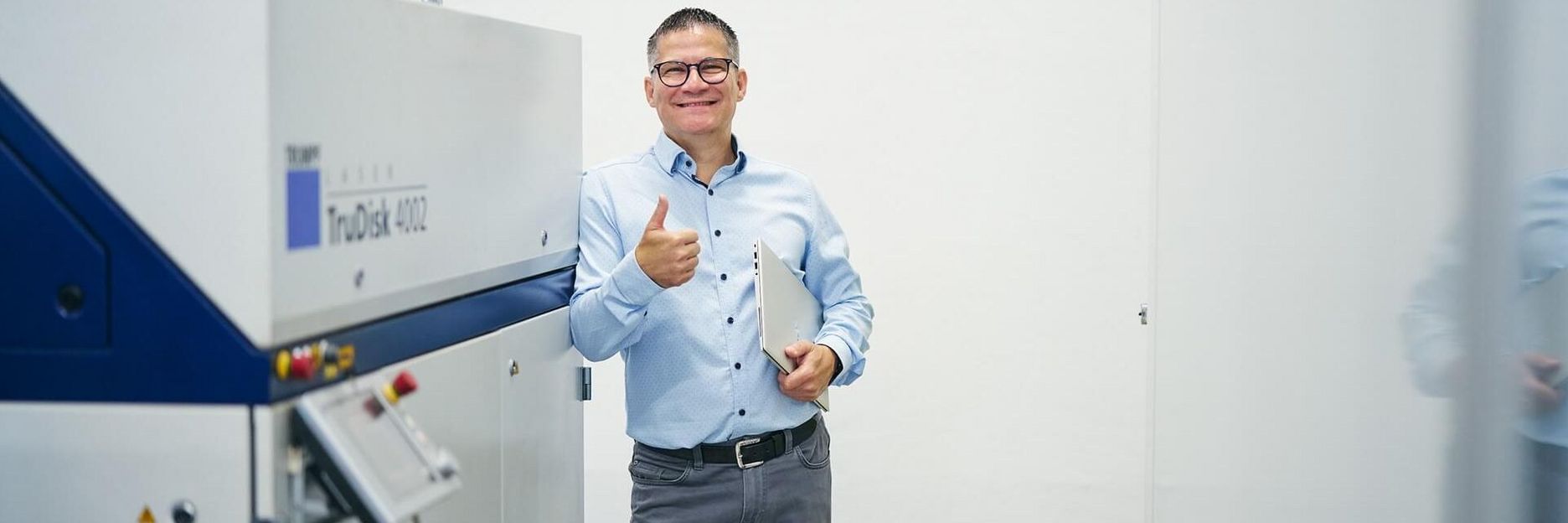
When Oliver Meusel talks about lasers, you quickly realize that this is someone who understands both theory and practice. He has worked at Brose Fahrzeugteile for over 30 years and is now an expert in welding technology. In his team, he develops technologies, designs processes and validates products. And because Meusel knows what is important in production, he often has suggestions for products and services that make everyday life even easier for customers. His ideas usually arise directly from practical challenges that Meusel has to overcome.
And that was also the case with the Health Check for lasers. "At Brose, we weigh up every time we develop a product: Do we buy a new system for this? Or can an existing machine be reused?" explains Meusel, adding: "The latter is particularly attractive in the case of lasers: No new investment, the system is already depreciated and the whole thing is sustainable." But who can really say whether a laser is still fit enough for a new project after years of use?
An idea becomes a product
A question he asks his partners at TRUMPF. How about developing a well-founded check that enables decision-makers to make a transparent, objective and comprehensible overall assessment of the system - like a kind of used car appraisal? The combination of the evaluation of existing laser data and an in-depth on-site assessment by a service technician made it possible to assess all the advantages and disadvantages of a new purchase compared to reuse. So what does each decision mean in terms of costs, risk and sustainability? The TRUMPF experts quickly recognized the benefits that such an assessment could provide customers and, together with Oliver Meusel, developed a Health Check for lasers. Meusel coordinated the requirements internally, brought together colleagues from various plants, gathered feedback - and TRUMPF listened.
Condition Monitoring: How are you today, dear laser?
Analyzing the laser data is a matter of course at Brose. The company has been relying on Condition Monitoring from TRUMPF for years. All lasers used worldwide - over 200 of them - are connected to the system. It proactively monitors anomalies and faulty conditions using algorithms and TRUMPF service experts, thus preventing downtimes. "I think Condition Monitoring is a powerful tool and recommend it to every one of our plants," says Meusel. However, this is not enough for him to decide whether a used laser can be used in a new project. Condition Monitoring shows the current status - the Health Check should also take a look into the past and enable a forecast for the future.
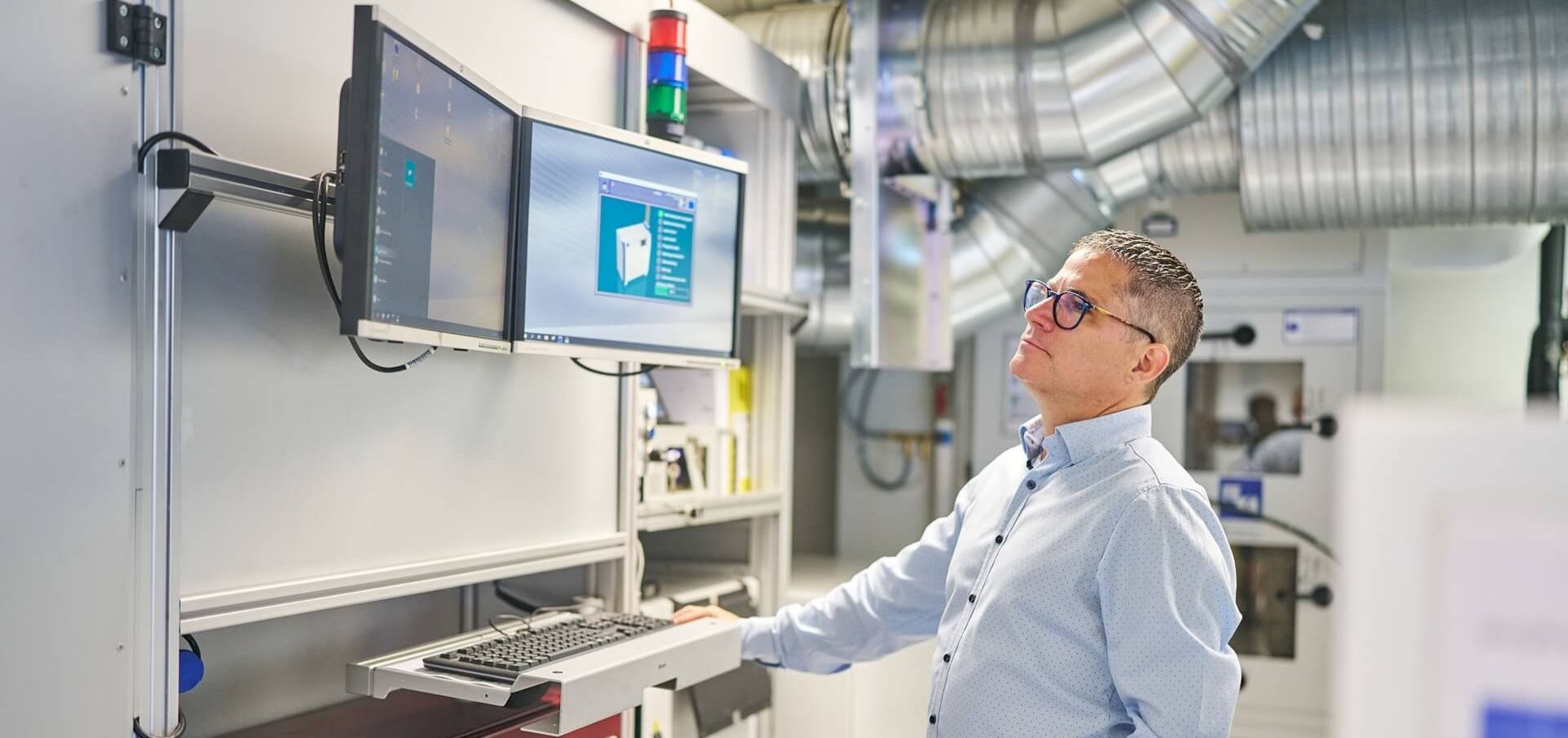
New purchase or continued use? The Health Check combines laser data and on-site testing to provide clear answers.

TRUMPF and Oliver Meusel developed the Health Check for lasers.
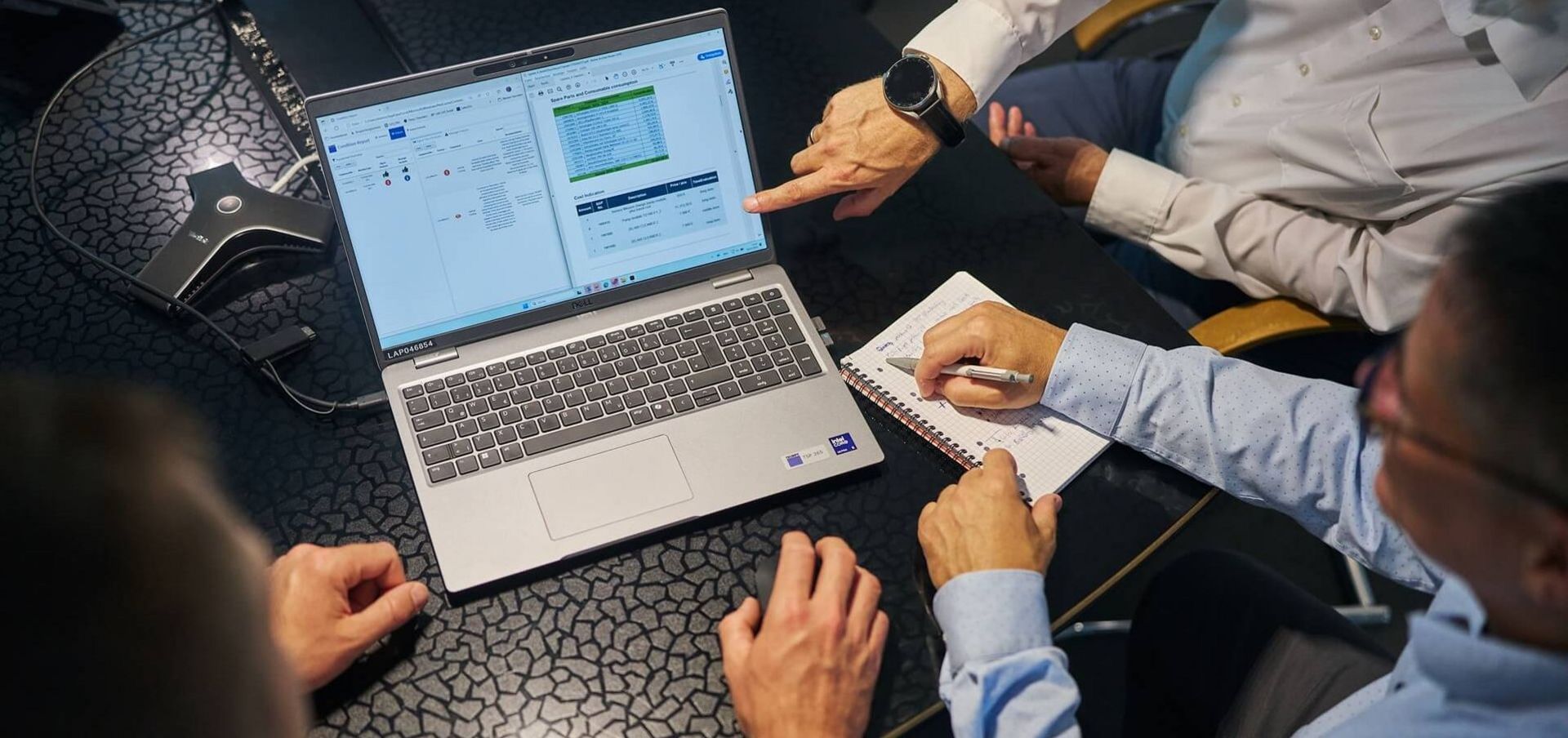
The Health Check provides decision-makers with a transparent, objective and comprehensible overall assessment of the system.
Health Check: Dear laser, how have you been doing so far?
The Health Check for lasers also takes additional questions into account: What was the condition of the device during the last runtime? How often were repairs and maintenance carried out? What about the availability of service and spare parts? Is an overhaul worthwhile, is it possible to retrofit the system with smart services, such as TRUMPF's automated quality data storage system "Quality Data Storage", or autonomous monitoring with Smart View? Questions that play a role not only for the decision-makers in Coburg, but at Brose's 68 locations worldwide.
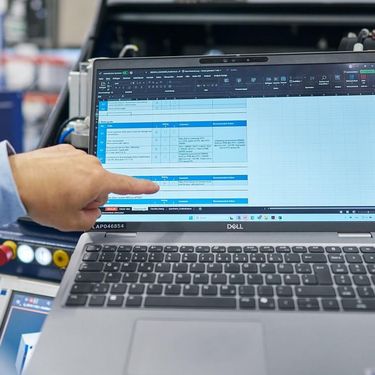
The following services are carried out by TRUMPF experts directly at the customer's premises during the Health Check for lasers:
- General visual inspection
- Checking the condition of the beam source
- Checking the beam guidance, the laser light cable and the optics
- Cooling system, laser light cable and optics
- Evaluation of anomalies from the Condition Check
Planning security instead of surprises
The service, for which Brose was a pilot customer, is now in operation. Meusel recommends that all his colleagues in the EU plants schedule the check for every new laser application. A global roll-out is already being considered. "Our colleagues from the plants are very satisfied. The Health Check provides security and offers a solid basis for decision-making for all parties involved in plant relocations," summarizes Meusel. And even if the added value of the service cannot really be expressed in euros and cents: "I see the Health Check as insurance: We avoid project delays, keep an eye on the wear part costs, know the spare parts supply - and simply know what we are getting into when we continue to use a functional but "aged" laser."
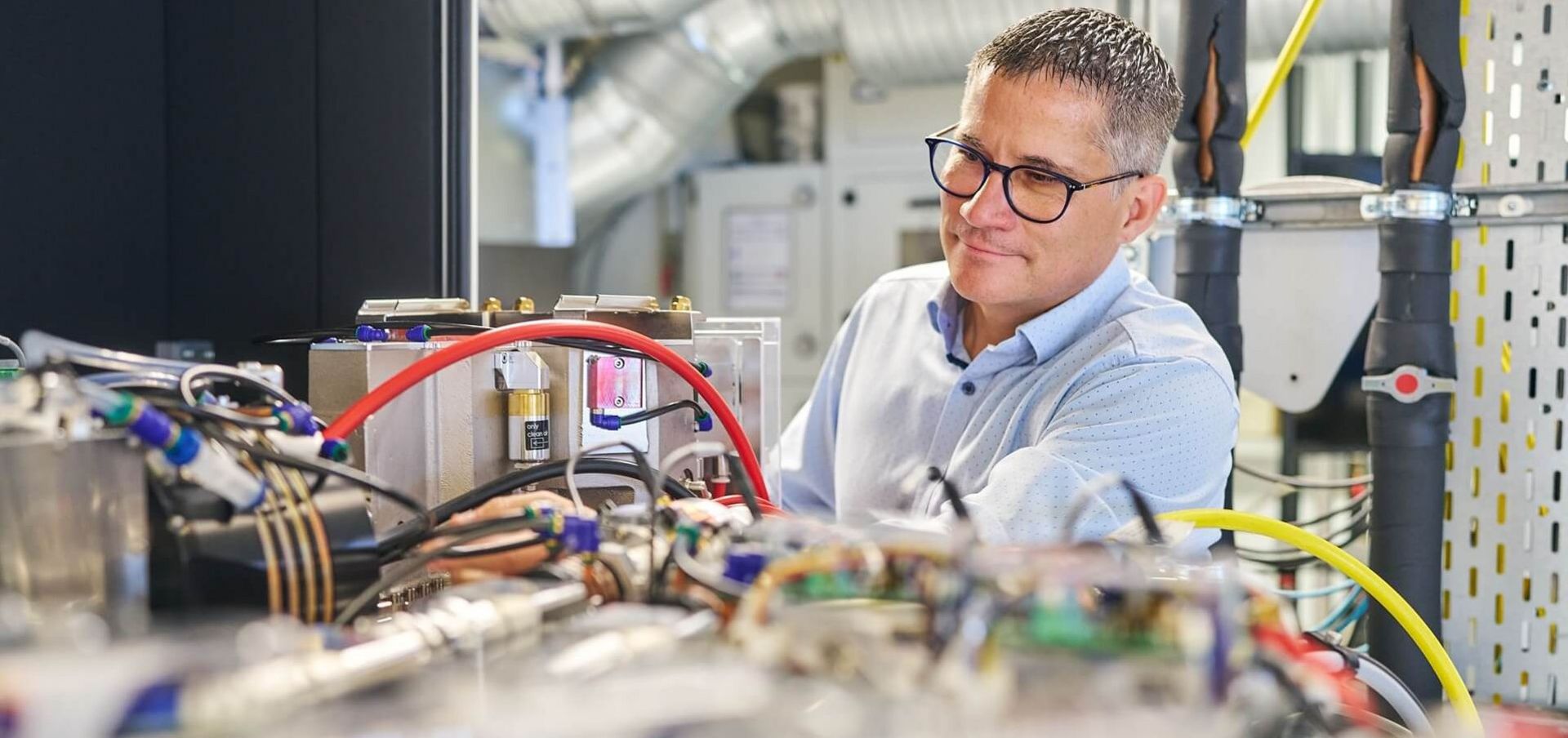
Everything tested: Beam source, beam guidance, laser light cable, optics, cooling system and laser data. For Meusel, the Health Check is an insurance policy and a solid basis for decision-making.
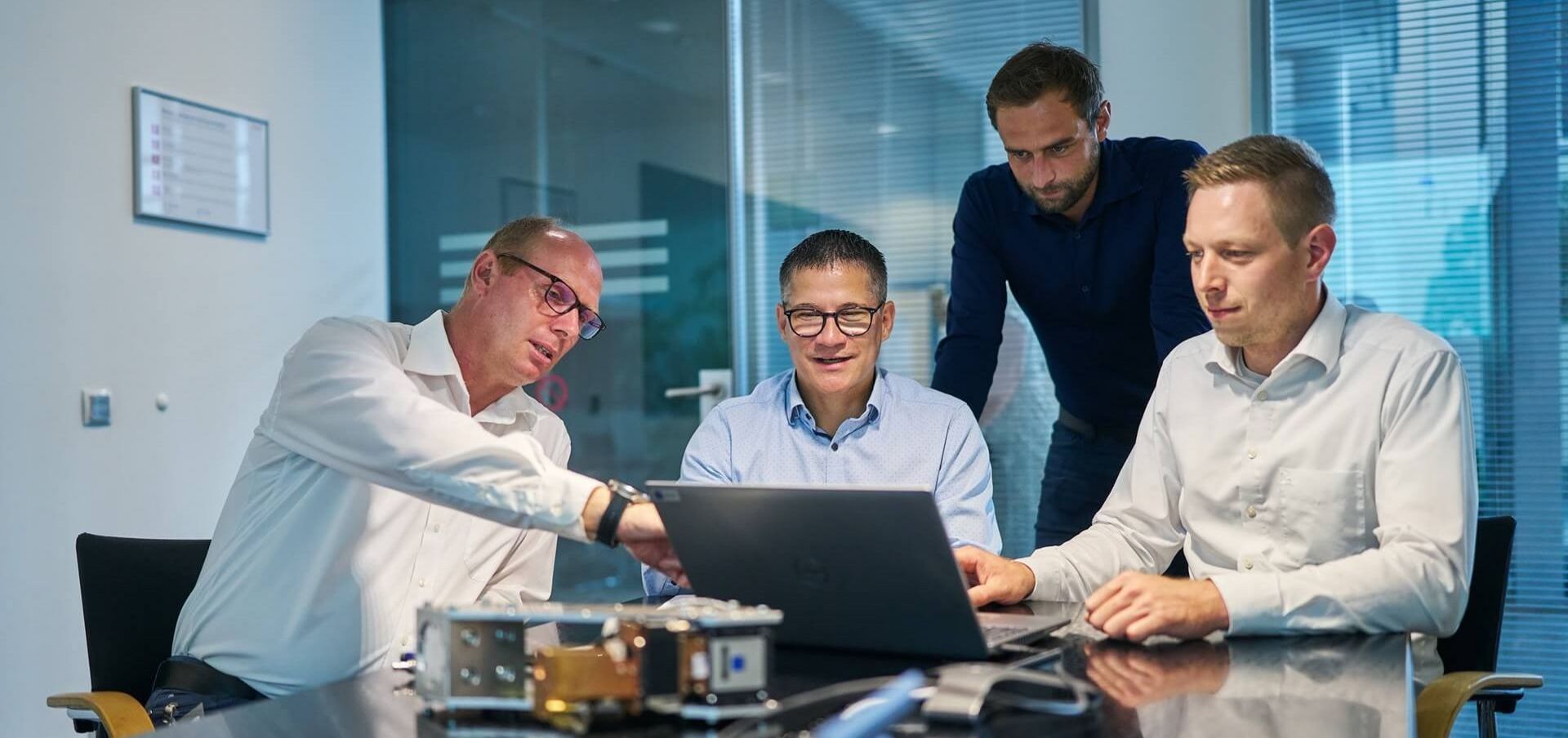
All data at a glance: What was the condition of the device during the last runtime? How often were repairs and maintenance carried out? What about the availability of service and spare parts?
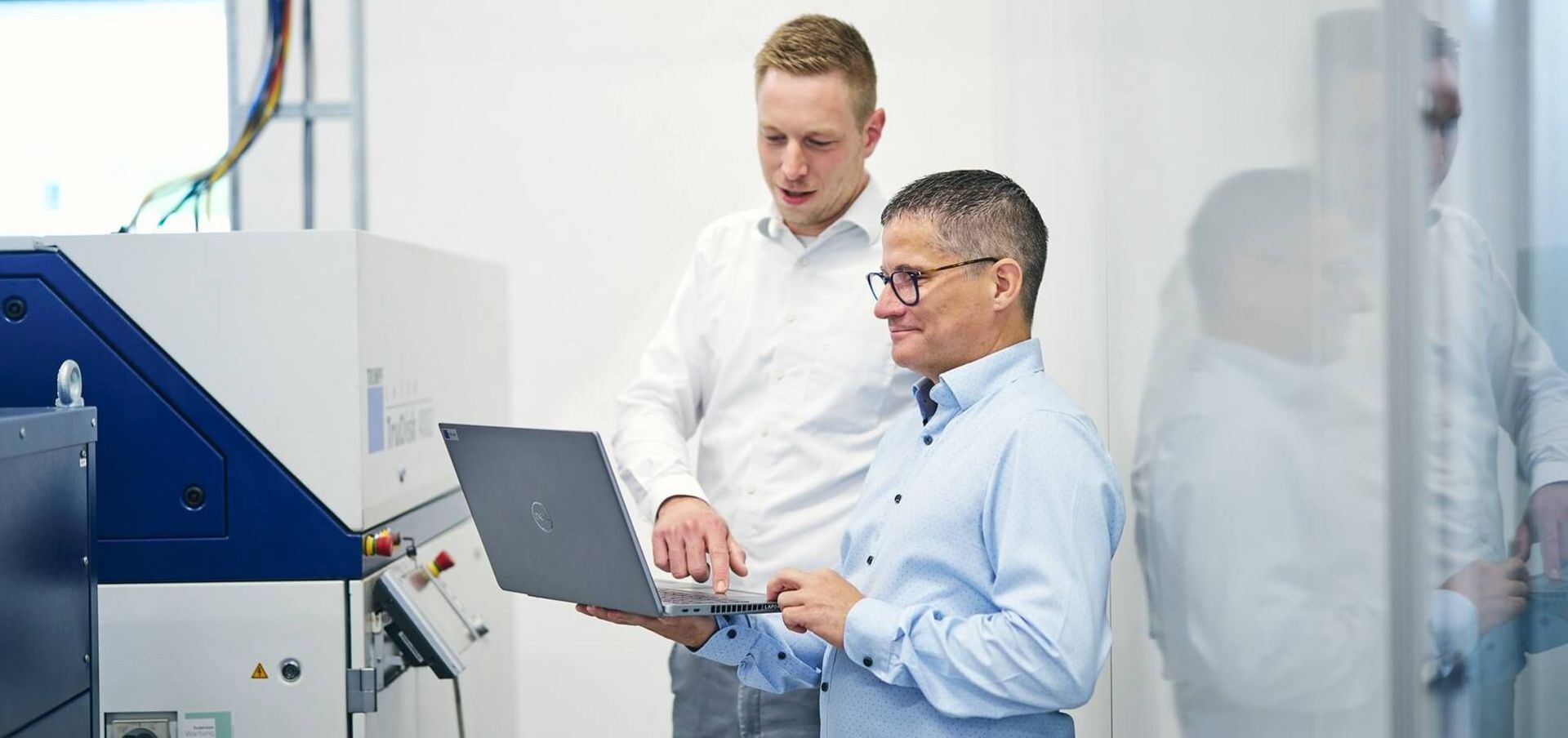
Used lasers are often a "black box". Oliver Meusel therefore wanted a thorough check - and would recommend this to anyone who is responsible for production systems.
With this approach, Brose is also contributing to the company's sustainability goals: "Instead of automatically purchasing a new device, we are now checking what the existing laser can still do - including energy consumption and CO₂ footprint."He particularly emphasizes the cooperation with TRUMPF in the development of the Health Check: "The exchange is always professional, open and solution-oriented – even when things get controversial." Meusel would recommend the service to anyone with responsibility for production systems: "It helps with decision-making and ensures that goals – whether economic or ecological – can be achieved reliably and safely."
Brose is one of the world's largest family-run automotive suppliers. Every third new car contains at least one product from the mechatronics specialist. The company develops and manufactures systems for doors, flaps, seats and electric drives - for example for steering, cooling or e-scooters. Brose employs around 31,000 people at 68 locations in 24 countries. The head office is in Coburg.